





Why Off-the-Shelf Software Falls Short in Climate Tech
Climate tech is no longer a niche space. It’s becoming central to how businesses operate, governments regulate, and industries evolve. From renewable energy platforms to carbon tracking systems and smart grids, companies are under increasing pressure to build solutions that are not only efficient but also scalable, secure, and adaptable.
But here’s the problem: many businesses still rely on off-the-shelf software to power these systems.
At first glance, it seems like a quick and cost-effective choice. You buy a ready-made solution, deploy it, and get started. But when it comes to climate tech, this approach often creates more problems than it solves.
Let’s break down why.
[edit] 1. Climate Tech Is Not One-Size-Fits-All
Every climate tech project is different.
A solar energy company has completely different needs compared to a carbon accounting platform. Similarly, a smart agriculture solution operates very differently from a grid optimization system.
Off-the-shelf software is built for general use. It’s designed to serve a broad audience, not specific industries with complex requirements.
This creates a mismatch:
In climate tech, where systems often rely on real-time data, environmental variables, and regulatory requirements, this lack of flexibility becomes a serious limitation.
[edit] 2. Integration Challenges Slow Everything Down
Climate tech solutions rarely operate in isolation.
They need to connect with:
- IoT devices and sensors
- Legacy systems
- Government databases
- Third-party APIs
- Energy management platforms
Off-the-shelf software often struggles with these integrations. Either it doesn’t support them, or it requires heavy customization that defeats the purpose of buying a ready-made product.
The result?
- Delayed deployments
- Increased development costs
- Data silos
Instead of simplifying operations, the software becomes a bottleneck.
[edit] 3. Scalability Becomes a Problem Faster Than Expected
Climate tech businesses often start small but scale quickly.
For example:
- A startup tracking emissions may expand to multiple regions
- An energy platform may onboard thousands of devices
- A sustainability solution may handle massive datasets over time
Off-the-shelf tools are not always built to scale with such growth.
You may face:
What worked for 100 users may not work for 10,000.
[edit] 4. Data Complexity Requires More Control
Climate tech relies heavily on data — and not just any data.
We’re talking about:
This data is often complex, unstructured, and constantly changing.
Off-the-shelf software typically offers limited control over:
- Data models
- Processing logic
- Storage architecture
This makes it difficult to build accurate, reliable systems that businesses can trust for decision-making.
[edit] 5. Compliance and Regulations Are Constantly Evolving
Climate tech is deeply tied to regulations.
In Canada and globally, businesses must comply with:
- Environmental reporting standards
- Carbon disclosure frameworks
- Industry-specific compliance rules
Off-the-shelf solutions are not always updated quickly enough to match these changes.
This creates risks:
- Non-compliance
- Penalties
- Loss of credibility
Businesses need systems that can adapt as regulations evolve — not tools that lag behind.
[edit] 6. Security and Data Ownership Concerns
Climate tech platforms often deal with sensitive data, including:
Using off-the-shelf software means:
- Limited control over data security
- Dependence on third-party systems
- Potential vulnerabilities
For businesses working at scale or with government bodies, this is a major concern.
They need full control over how data is stored, accessed, and protected.
[edit] 7. Innovation Gets Restricted
Climate tech is driven by innovation.
Companies need to:
Off-the-shelf software puts limits on what you can do.
You’re restricted by:
- Predefined features
- Vendor roadmaps
- Licensing constraints
This slows down innovation and makes it harder to differentiate in a competitive market.
[edit] 8. Hidden Costs Add Up Over Time
Off-the-shelf software may seem cheaper upfront, but the long-term costs tell a different story.
Businesses often end up paying for:
- Licensing fees
- Add-ons and upgrades
- Custom integrations
- Workarounds for missing features
Over time, these costs can exceed the investment required for a tailored solution.
[edit] The Shift Toward Custom Solutions
Because of these challenges, many businesses are moving away from generic tools and investing in solutions built specifically for their needs.
This is where approaches like custom software development Canada come into play — allowing companies to design systems that align with their exact requirements, scale with their growth, and adapt to changing regulations.
Instead of adjusting business processes to fit the software, the software is built to support the business.
[edit] Conclusion
Off-the-shelf software works well for standard business needs. But climate tech is anything but standard.
It demands flexibility, scalability, real-time data handling, and constant adaptation to regulatory changes. Generic tools simply can’t keep up with these requirements.
For businesses operating in this space, the real question isn’t whether to invest in better technology — it’s whether their current tools are holding them back.
Choosing the right approach can make the difference between a system that limits growth and one that enables long-term impact.
[edit] FAQs
[edit] 1. What is off-the-shelf software in climate tech?
Off-the-shelf software refers to ready-made solutions designed for general use. In climate tech, these tools are often used for data management, reporting, or monitoring but may lack industry-specific capabilities.
[edit] 2. Why is off-the-shelf software not suitable for climate tech projects?
Climate tech projects have unique requirements such as real-time data processing, complex integrations, and regulatory compliance. Off-the-shelf tools are not built to handle these specialized needs effectively.
[edit] 3. What are the biggest challenges of using generic software in climate tech?
Some of the main challenges include limited customization, poor scalability, integration issues, data control limitations, and difficulty in meeting compliance standards.
[edit] 4. How does custom software improve climate tech solutions?
Custom software allows businesses to build solutions tailored to their workflows, integrate seamlessly with existing systems, and scale as needed while maintaining full control over data and security.
[edit] 5. Is investing in custom software more expensive?
While the upfront cost may be higher, custom solutions often reduce long-term expenses by eliminating licensing fees, improving efficiency, and minimizing the need for constant upgrades or workarounds.
Featured articles
Check out some of the best features and news from Designing Buildings as well as key stories from around the web.
Mayors are to be given planning call in powers

Mayors across England will be able to make the most important planning decisions.

The Master Builder: William Butterfield and his times. Book review.

Why construction can't afford to ignore the skills gap.
Building Safety Regulator, 19 August

Gill Kernick appointed Independent Chair of Residents’ Panel.
Connecting knowledge, technology and conservation
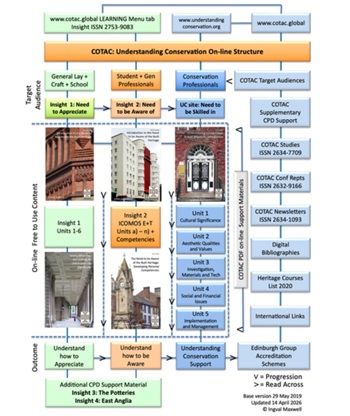
Building competence for the future of built heritage.
Building Regulations and Building Safety Act

CIOB publishes free advice for non-domestic clients.

Building Safety Newsletter from MHCLG.
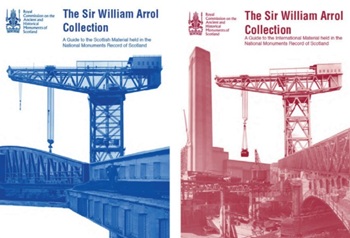
An extraordinary record of steel engineering worldwide.
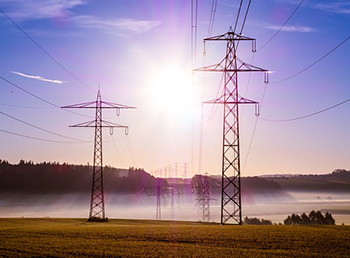
Households living near new pylons to save on bills.

ECA warns growth must not outpace grid capacity or skills.
The role of the client and decision making

CIOB response to built environment professions call for evidence.
Construction's sustainability reporting revolution

Tracking upfront embodied carbon with digital tools.